Understanding the Role of a GRP Manufacturer
Glass Reinforced Plastic (GRP) manufacturers play a crucial role in the production of composite materials that are both lightweight and durable. With its increasing applications across various industries such as automotive, marine, construction, and utilities, the demand for quality GRP products has surged. When exploring options, GRP Manufacturer provides comprehensive insights into the advantages and applications of these innovative materials, ensuring that stakeholders can make informed decisions.
What is a GRP Manufacturer?
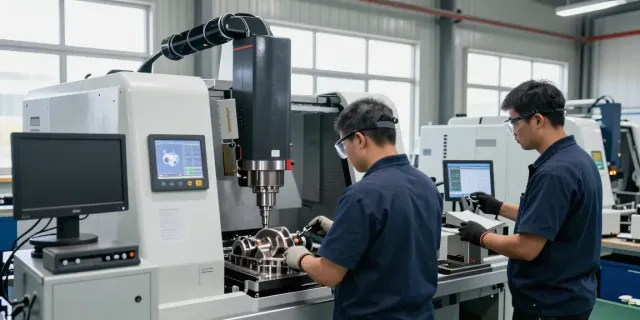
A GRP manufacturer specializes in producing materials that combine plastic with glass fibers, offering enhanced strength and durability compared to traditional materials like steel and wood. These manufacturers employ advanced techniques to ensure that the final products meet specific industry standards, which is crucial for applications that demand high performance and reliability.
Key Processes in GRP Manufacturing
The manufacturing process of GRP involves several key steps, including:
- Material Selection: Choosing high-quality resins and glass fibers is essential to ensuring durability and performance.
- Molding: Techniques such as hand lay-up, vacuum infusion, and resin transfer molding are commonly used to shape the final product.
- Curing: The resin is allowed to set, either at ambient temperature or through heat, depending on the material characteristics required.
- Finishing: After curing, products are trimmed, sanded, and may receive surface treatments to enhance their appearance and performance.
Importance of Quality Control
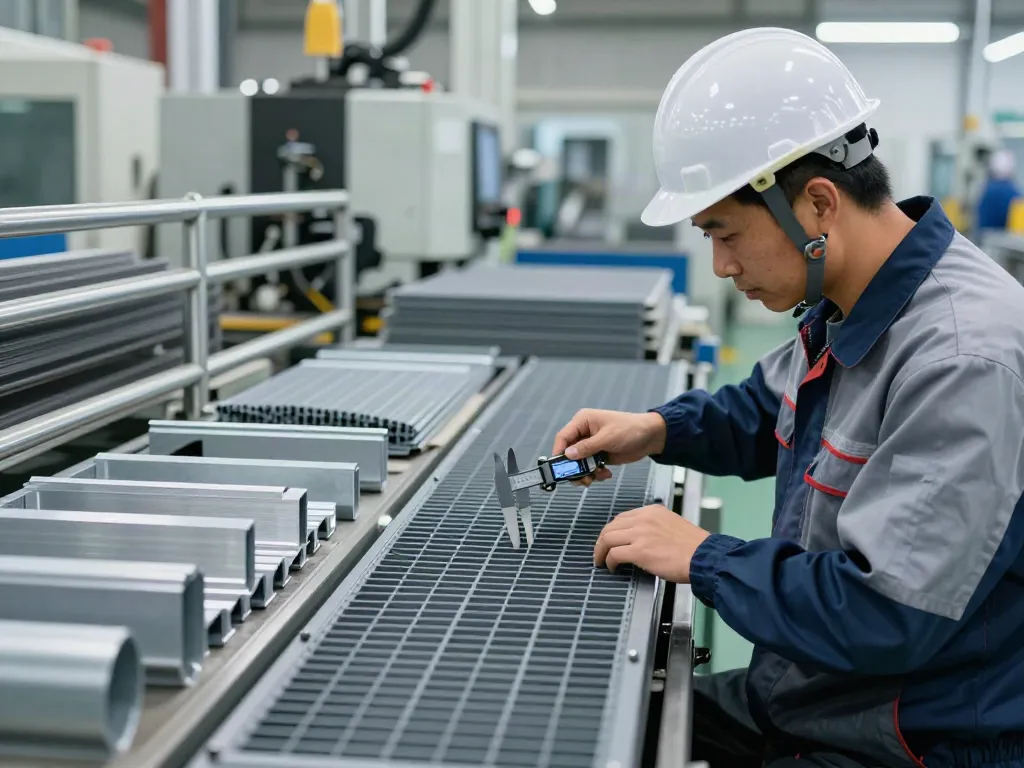
Quality control is paramount in GRP manufacturing, as it ensures that products meet stringent safety and performance standards. Manufacturers often follow ISO 9001 quality management systems, conducting regular inspections and tests on their products, including tensile strength, fire resistance, and dimensional accuracy.
GRP Products: Types and Applications
Given its versatile properties, GRP is utilized in a wide range of products across various sectors.
Common Types of GRP Products
Some of the most common GRP products include:
- GRP Grating: Used for flooring and walkways, offering slip resistance and drainage capabilities.
- GRP Profiles: Custom shapes and sizes to cater to specific structural applications.
- GRP Fencing: Durable and weather-resistant, ideal for security applications.
- GRP Handrails: Lightweight yet sturdy, designed for safety in various environments.
- GRP Walkways: Designed for both pedestrian and vehicular traffic, often utilized in industrial settings.
Industry Applications for GRP
GRP products are employed in numerous industries, including:
- Construction: As structural components that are both lightweight and strong.
- Marine: Used in boat building and docking facilities for their corrosion resistance.
- Utilities: In applications such as water treatment plants, where chemical resistance is vital.
- Transport Infrastructure: Providing durable solutions for bridges and roads.
Benefits of Using GRP in Various Sectors
The primary benefits of GRP include:
- Lightweight Nature: GRP is significantly lighter than metals, leading to easier handling and reduced transportation costs.
- Corrosion Resistance: Ideal for harsh environments, as GRP does not rust or corrode.
- Customizability: GRP can be molded into nearly any form, allowing for tailored solutions to meet specific needs.
Advantages of GRP Over Traditional Materials
Weight and Durability Compared to Steel and Aluminum
One of the standout features of GRP is its weight advantage. GRP products can be up to 70% lighter than steel, which not only makes them easier to transport but also simplifies installation. This lightweight characteristic, combined with high strength, makes GRP suitable for applications where structural integrity and ease of handling are crucial.
Corrosion Resistance and Longevity
GRP products excel in challenging environments due to their inherent corrosion resistance. Unlike steel, GRP does not oxidize, thus maintaining its appearance and structural integrity over time. This longevity can lead to significantly lower maintenance costs and longer service life, making GRP an economically sound choice.
Cost-Effectiveness of GRP Products
While the initial investment in GRP manufacturing may be comparable to that of traditional materials, the reduced lifecycle costs typically outweigh this. GRP’s durability translates to fewer replacements and repairs, ultimately resulting in savings over the long term.
Ensuring Compliance and Safety in GRP Manufacturing
Manufacturers must adhere to strict guidelines to ensure their products are safe and compliant with regulations.
Meeting UK Building and Safety Regulations
GRP manufacturers in the UK are required to comply with building and safety regulations, ensuring that their products are suitable for structural applications. This compliance is critical, as it assures end-users that the materials will perform as expected in demanding conditions.
Fire Safety Standards for GRP Products
In addition to structural regulations, GRP products must meet fire safety standards. For instance, many GRP systems achieve a Class 2 fire rating under British Standard (BS) 476, demonstrating their ability to resist ignition and minimize smoke emission.
Certification and Compliance Processes
To bolster consumer confidence, reputable GRP manufacturers undergo rigorous certification processes. This includes adhering to ISO standards and obtaining certifications specific to their product lines, ensuring that they meet both national and international safety requirements.
Future Trends in GRP Manufacturing
The landscape of GRP manufacturing is evolving, influenced by innovation and market demands.
Innovations in GRP Materials and Technology
Recent advancements in materials science have led to the development of new resin formulations and glass fiber technologies, enhancing the performance characteristics of GRP. Innovations in manufacturing processes, such as automated production techniques, are also gaining traction, improving efficiency and consistency.
Sustainability Practices in GRP Production
As the construction industry pivots towards sustainability, GRP manufacturers are implementing green practices. Many manufacturers are adopting energy-efficient production methods and utilizing recyclable materials to reduce their environmental impact.
Projected Market Growth for GRP Products by 2026
Market analysts predict substantial growth in the GRP sector, driven by an increase in infrastructure projects and the rising demand for lightweight, durable materials. By 2026, GRP products are expected to dominate sectors such as construction, automotive, and renewable energy, as stakeholders prioritize efficiency and sustainability.
What are the main advantages of GRP?
The main advantages of GRP include its lightweight nature, high corrosion resistance, low maintenance requirements, and excellent durability. These characteristics make it a preferred choice in many industrial applications.
Are GRP products suitable for outdoor use?
Yes, GRP products are well-suited for outdoor applications. Due to their resistance to UV rays, moisture, and chemicals, GRP materials can maintain their integrity and appearance, making them ideal for outdoor installations such as walkways and fencing.
How do I request a quotation for GRP products?
To request a quotation for GRP products, you can contact a GRP manufacturer directly through their website or customer service hotline. Many manufacturers, like Engineered Composites, provide quick turnarounds for quotes, ensuring you can proceed with your project without extensive delays.