The Essentials of Currain Wall Systems
Currain wall systems play a pivotal role in modern architecture, offering a blend of aesthetics and functionality that enhances building designs. These non-load-bearing exterior façades act as protective shells while allowing natural light to penetrate, thus enriching the interiors. As we explore the intricacies of Currain wall system, we will delve into their components, installation processes, performance metrics, and future trends, aiming to provide valuable insights for architects, builders, and property developers.
What is a Currain Wall System?
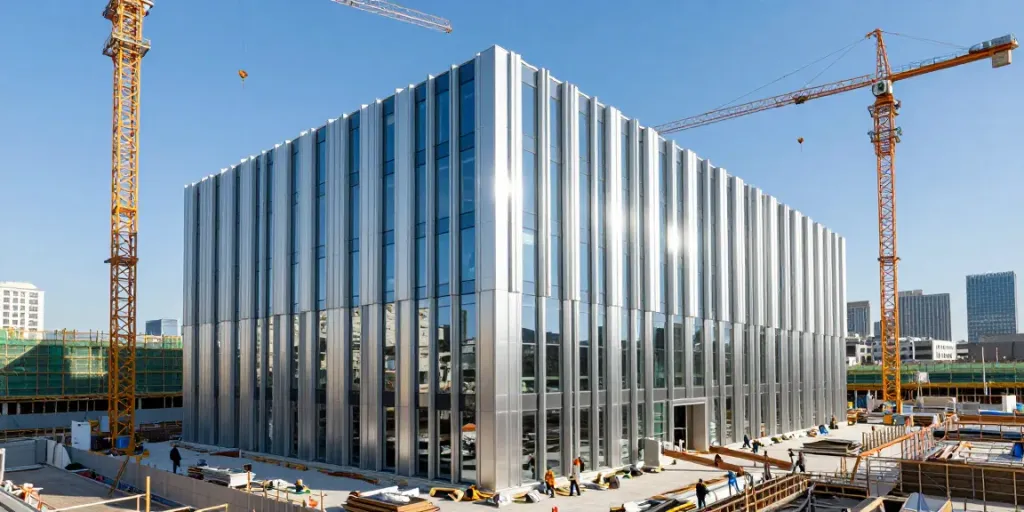
A currain wall system is defined as a lightweight exterior wall that is not structurally essential to the building. Instead, it encases the structure, creating an outer skin that protects against environmental elements while offering a visually appealing facade. Typically composed of materials like glass and metal, these systems can be designed for both residential and commercial applications, enhancing energy efficiency and providing flexibility in design.
Key Components and Materials
The fundamental components of a currain wall system include framing, panels, and glass. The framing is usually constructed from aluminum or steel, chosen for their strength-to-weight ratios, which allow for expansive glass surfaces. Panels can be composed of various materials, including:
- Glass Panels: Provide transparency and natural lighting.
- Aluminum Frames: Offer durability and ease of maintenance.
- Insulated Panels: Enhance energy efficiency by reducing thermal loss.
These materials contribute to the functionality and architectural appeal of the currain wall, allowing for customization in appearance and performance characteristics.
Benefits for Modern Architecture
Currain wall systems provide numerous advantages for contemporary architecture, including:
- Energy Efficiency: The use of insulated glass can significantly reduce heating and cooling costs.
- Design Flexibility: Architects can create innovative designs without the constraints of traditional construction.
- Natural Light: Large glass surfaces allow daylight to penetrate deep into interior spaces, enhancing the well-being of occupants.
Understanding Installation Processes
Effective installation is crucial in ensuring the performance and longevity of a currain wall system. This section outlines the steps involved in the installation process, highlighting the importance of thorough planning and precise execution.
Pre-Installation Planning and Design
Before installation begins, comprehensive planning is essential. This involves:
- Conducting site surveys to evaluate structural conditions.
- Developing detailed design specifications based on the architectural intent.
- Securing necessary permits and complying with local building codes.
Step-by-Step Installation Guide
The installation of a currain wall system typically follows these steps:
- Prepare the Structure: Ensure that the building’s framework can support the additional weight.
- Install Framing: Secure the aluminum or steel frames to the structure, ensuring they are level and aligned.
- Attach Panels: Install the panels or glass segments into the frames, using appropriate sealing methods to prevent water infiltration.
- Finishing Touches: Apply weatherproofing seals and conduct quality checks to ensure performance.
Common Challenges and Solutions
While installing currain wall systems, several challenges may arise:
- Alignment Issues: Ensuring frames are straight and level can be difficult; regular checks during installation can mitigate this.
- Water Infiltration: Proper sealing and drainage strategies are vital to prevent leaks.
- Thermal Expansion: Design considerations must account for material expansion and contraction with temperature changes.
Performance Metrics and Testing
To ensure that currain wall systems meet quality standards, they must undergo rigorous testing and evaluation.
Measuring Durability and Longevity
Durability is assessed through various tests that measure resistance to weather, impacts, and potential wear over time. Common methods include:
- Wind Load Testing: Determines the system’s ability to withstand high winds.
- Water Resistance Testing: Evaluates how well the system prevents water ingress.
- Thermal Cycling: Tests how materials respond to temperature fluctuations.
Quality Assurance Practices
Implementing strict quality control measures during manufacturing and installation phases ensures that every currain wall system meets or exceeds industry standards. Regular audits and checks can help identify issues before they escalate.
Industry Standards and Certifications
Compliance with local and international building codes and standards, such as ASTM and ISO certifications, is paramount. These certifications not only ensure safety but also enhance the marketability of buildings that utilize currain wall systems.
Real-World Applications and Case Studies
Understanding how currain wall systems are utilized in real-world scenarios can provide valuable insights for future projects.
High-Profile Projects Using Currain Walls
High-rise buildings and prominent commercial structures often use currain wall systems for their facades. Notable examples include:
- The Burj Khalifa in Dubai, which features advanced glass currain walls to enhance its towering silhouette.
- The Louvre Abu Dhabi, showcasing the beauty of architecture through its innovative glazing.
Comparative Examples: Success Stories
Successful currain wall implementations demonstrate the system's versatility and effectiveness. For instance, a recent office building in the heart of Fujairah utilized a currain wall system to maximize natural light while minimizing energy costs, leading to a recognized sustainability certification.
Lessons Learned from Past Installations
Past projects have highlighted essential considerations for future currain wall installations, including the importance of:
- Engaging with experienced contractors for installation.
- Utilizing high-quality materials for increased lifespan.
- Conducting thorough inspections before project handovers.
Future Trends in Currain Wall Technology
As architectural demands evolve, so too must currain wall technologies. The future promises exciting advancements that will shape the industry.
Innovations on the Horizon for 2026
Emerging technologies, such as smart glass which can adjust its opacity based on sunlight, are set to enhance currain wall functionality. These technologies will improve energy efficiency and provide greater control over building environments.
Eco-Friendly Materials and Designs
The construction industry is increasingly leaning towards sustainability. Future currain wall systems may incorporate recycled materials and biophilic design elements to improve environmental impact.
The Role of Technology in Future Developments
Technological advancements, including advanced modeling software and automated fabrication techniques, will streamline the production and installation of currain wall systems, ensuring precision and reducing waste.
How to Choose the Right Currain Wall System?
When selecting a currain wall system, consider factors such as:
- Building type and usage.
- Local climate and environmental conditions.
- Budget constraints and project timelines.
What are the installation costs of a currain wall system?
The cost of installing a currain wall system can vary significantly based on materials, design complexity, and location. Generally, it's advisable to obtain detailed quotes and evaluate the long-term benefits versus initial expenditure.
How does a currain wall system enhance energy efficiency?
By utilizing insulated glass and reflective coatings, currain walls can minimize heat gain in warmer climates, thus reducing reliance on heating and cooling systems, which leads to lower energy bills.
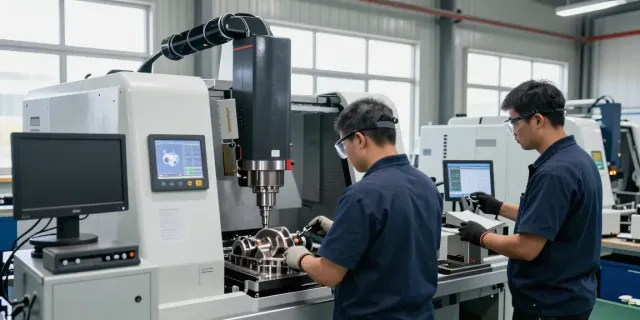
What are the advantages of in-house fabrication?
In-house fabrication ensures quality control, quicker project timelines, and the ability to address last-minute design changes efficiently, enhancing overall project efficiency.
What maintenance is required for currain walls?
Regular inspections and cleaning of the glass surfaces are necessary to maintain their appearance and performance, along with checking for seal integrity to prevent moisture intrusion.