Understanding the Role of CNC Machining in Aerospace Manufacturing
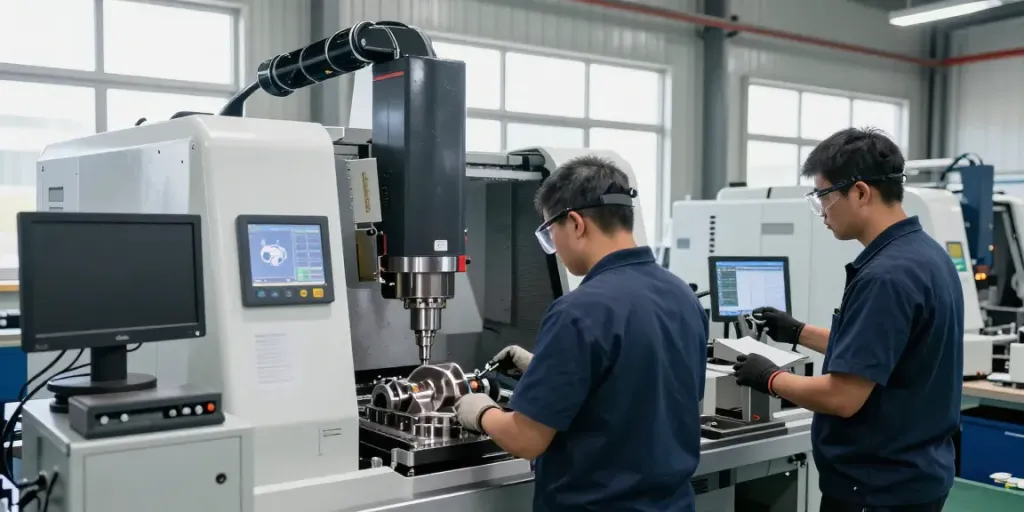
CNC machining has revolutionized the aerospace industry, providing a level of precision that is critical for the performance and safety of aircraft. Since 2003, Honscn has been at the forefront of this technological evolution, offering leading aerospace cnc parts manufacturers services that cater to both prototypes and mass production. This article delves into the significance of CNC machining in aerospace manufacturing, highlights the challenges faced by manufacturers, and explores best practices for quality control.
What Are CNC Machined Parts?
CNC machined parts are components manufactured using a computer-controlled machining process. This process allows for the precise shaping and cutting of materials such as metals and plastics into complex geometries required in aerospace applications. The use of CNC technology ensures that parts are made to exact specifications, which is vital in an industry where safety and reliability are paramount.
The Importance of Precision in Aerospace Engineering
In aerospace engineering, precision is not merely a requirement; it is a necessity. Even the smallest deviation in measurements can lead to catastrophic failures. CNC machining provides unparalleled accuracy due to its ability to produce parts with tight tolerances. This precision is essential in applications such as engine components, landing gear, and structural parts that endure significant stress during operation.
Leading Aerospace CNC Parts Manufacturers' Aims
Manufacturers in the aerospace sector strive to meet the highest standards of quality and efficiency. They aim to innovate continuously, integrating advanced technologies into their processes. Companies like Honscn focus on rapid prototyping, enabling swift iterations of designs, thus shortening the development cycle. This capability is crucial for maintaining competitiveness in the rapidly evolving aerospace landscape.
Common Challenges Faced by Leading Aerospace CNC Parts Manufacturers
The Impact of Material Selection on Manufacturing
Choosing the right materials for CNC machining is critical, especially in aerospace applications. The properties of materials such as weight, strength, and thermal resistance play a significant role in the performance of the final product. Manufacturers often face challenges in sourcing materials that meet aerospace standards while also considering cost-effectiveness.
Strategies to Overcome Design Constraints
Engineers often encounter design constraints that can complicate the manufacturing process. These may include intricate geometries or functionality requirements that are challenging to achieve with standard machining practices. To combat these issues, manufacturers are increasingly adopting advanced techniques such as 5-axis machining, which allows for the production of more complex shapes without compromising on precision.
Managing Production Costs Effectively
Cost management is a significant challenge for aerospace manufacturers. The integration of CNC machining can lead to high initial investments, but the long-term savings from reduced waste and shorter production times often justify these costs. Additionally, implementing lean manufacturing principles can help streamline processes and eliminate inefficiencies, ultimately lowering production costs.
Best Practices for Quality Control in Aerospace CNC Machining
Implementing Inspection Protocols and Standards
Quality control is of utmost importance in the aerospace industry. Manufacturers must adhere to strict inspection protocols to ensure that every component meets precise specifications. This includes the use of advanced measurement tools and techniques like Coordinate Measuring Machines (CMM) to verify dimensions and tolerances.
The Role of Certifications in Aerospace Components
Certifications play a crucial role in establishing trust between manufacturers and their clients. Standards such as AS9100 and ISO 9001:2015 certify that a manufacturer adheres to quality management principles specific to the aerospace sector. This not only enhances the credibility of the manufacturer but also assures customers of the reliability of the products.
Continuous Improvement: Lean Manufacturing Principles
Adopting lean manufacturing principles can greatly enhance operational efficiency. By focusing on continuous improvement, manufacturers can identify areas for optimization and reduce waste. Techniques like Value Stream Mapping can help companies visualize their processes and implement changes that lead to higher quality outputs and reduced lead times.
Innovative Technologies Shaping Aerospace CNC Machining in 2026
Automation and the Future of CNC Machining
Automation is set to transform the CNC machining landscape in aerospace manufacturing. By incorporating robotics and automated systems, manufacturers can achieve higher levels of precision and reduce the risk of human error. This shift not only enhances productivity but also allows for better allocation of human resources to more strategic tasks.
Adopting Additive Manufacturing in Aerospace
Additive manufacturing, commonly known as 3D printing, is becoming increasingly relevant in the aerospace sector. This technology allows for the production of complex parts that would be difficult, if not impossible, to create using traditional CNC machining techniques. It also offers the potential for significant weight savings, which is a critical factor in aerospace design.
The Use of AI and Machine Learning for Precision Engineering
The integration of artificial intelligence (AI) and machine learning into CNC machining processes can greatly enhance precision and efficiency. These technologies can analyze vast amounts of data, enabling predictive maintenance and real-time adjustments to machining processes, thus ensuring optimal performance and reduced downtime.
Future Trends in CNC Machining for Aerospace Parts
Emerging Materials and Technologies
The aerospace industry continually seeks out new materials that can enhance the durability and performance of components. Emerging materials such as carbon fiber composites are being integrated into designs, offering strength-to-weight ratios that are superior to traditional metals. Understanding how these materials interact with CNC machining processes is crucial for future innovations.
Market Predictions for Aerospace Manufacturing
Market analysts predict a sustained growth trajectory for the aerospace manufacturing sector, driven by increased demand for air travel and advancements in technology. Leading manufacturers will need to adapt to these market dynamics by improving production efficiency and exploring new avenues for innovation.
How to Stay Ahead in a Competitive Landscape
To maintain a competitive edge, aerospace manufacturers must prioritize research and development, continually exploring new technologies and methodologies. Networking with other industry players and participating in aerospace trade shows can provide valuable insights into emerging trends and best practices, fostering a culture of continuous improvement.
What are the top aerospace CNC parts manufacturers?
The top aerospace CNC parts manufacturers include industry leaders renowned for their precision and innovation. Companies like Boeing, Lockheed Martin, and Honscn showcase the advancements in CNC machining technologies that set the standard for quality and reliability in aerospace components.
How does CNC machining improve aerospace part quality?
CNC machining enhances the quality of aerospace parts by ensuring precise fabrication according to specifications. This high level of accuracy reduces the likelihood of defects, contributing to overall safety and performance in critical components.
What materials are best for CNC machining aerospace components?
Materials commonly used in CNC machining for aerospace components include lightweight metals such as titanium and aluminum, as well as advanced plastics like PEEK and POM. These materials are favored for their reliable performance under high-stress conditions.
What safety standards must aerospace CNC manufacturers meet?
Aerospace CNC manufacturers are required to meet stringent safety standards, including AS9100 certification, which ensures adherence to quality management systems specific to the aerospace sector. Compliance with these standards is essential for ensuring the reliability and safety of aerospace parts.
How can manufacturers improve production efficiency in aerospace machining?
Manufacturers can enhance production efficiency by implementing automated processes, adopting lean manufacturing principles, and utilizing predictive maintenance technologies. By focusing on reducing waste and streamlining workflows, companies can achieve faster turnaround times and lower production costs.