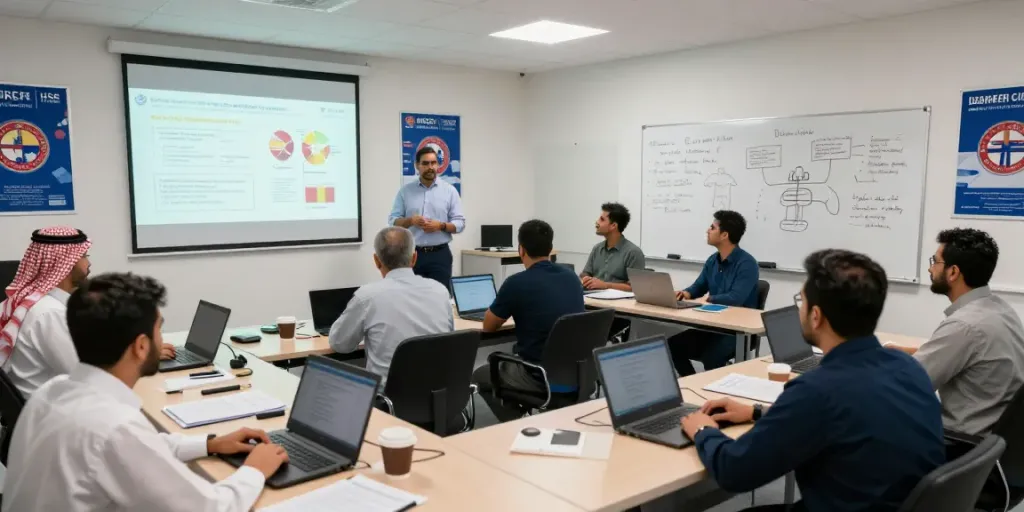
Understanding the Importance of HSE Training in Saudi Arabia
In the rapidly evolving landscape of industries in Saudi Arabia, particularly in sectors such as oil and gas, construction, and manufacturing, the importance of Health, Safety, and Environmental (HSE) training cannot be overstated. These sectors face various challenges, including regulatory compliance, environmental sustainability, and employee safety. As a result, organizations are increasingly investing in HSE training programs to equip their workforce with the necessary skills and knowledge to navigate these challenges effectively. Training Institute Saudi Arabia provides a comprehensive range of training solutions tailored to meet these industry demands, thereby enhancing workforce competency and safety standards.
What is HSE Training?
HSE training encompasses various programs aimed at educating employees about the best practices for maintaining health, safety, and environmental standards in the workplace. This training addresses risks and hazards associated with workplace environments, empowering workers to recognize, assess, and mitigate potential dangers. The training covers a wide variety of topics, including emergency response, risk assessment, safe work practices, and compliance with relevant regulations.
Why HSE Training is Essential for Professionals
For professionals in sectors that are prone to hazards, HSE training is essential for a multitude of reasons:
- Regulatory Compliance: In Saudi Arabia, various laws and regulations mandate specific health and safety training for employees to ensure compliance with national and international standards.
- Reduced Workplace Incidents: Effective HSE training significantly lowers the likelihood of workplace accidents and injuries, fostering a safer work environment.
- Enhanced Reputation: Companies that prioritize HSE training position themselves as responsible and compliant, improving their reputation among clients, partners, and regulatory bodies.
- Employee Morale: A safe workplace contributes to higher employee satisfaction and morale, leading to increased productivity and reduced turnover.
Overview of HSE Regulations in Saudi Arabia
Saudi Arabia has established a framework of regulations to ensure workplace safety and environmental protection. The Ministry of Human Resources and Social Development oversees these regulations, which require organizations to implement robust HSE management systems. This framework necessitates regular audits, risk assessments, and training programs aimed at maintaining compliance and improving safety standards.
Top HSE Training Programs Offered in Saudi Arabia
Saudi Arabia hosts a variety of HSE training programs designed to cater to different industry requirements. The following highlights some of the most recognized certifications and diplomas:
Overview of NFPA Certifications
The National Fire Protection Association (NFPA) certifications are internationally recognized and provide essential knowledge in fire safety and prevention. These certifications demand adherence to high standards and equip professionals with skills to mitigate fire hazards effectively. Programs include:
- CFPS Certification: Certified Fire Protection Specialist.
- Fire Inspector Certification: Essential for those responsible for inspecting and enforcing fire safety codes.
Benefits of ProQual Diplomas
ProQual diplomas focus on occupational health and safety management. These are particularly beneficial for professionals looking to deepen their knowledge and leadership skills in these areas. Key diplomas include:
- Level 6 Diploma in Occupational Health and Safety Practice: A program designed for those seeking advanced skills in managing health and safety risks.
- Level 7 Diploma in Strategic Health and Safety Leadership and Management: This diploma is ideal for leaders aiming to implement strategic safety initiatives within their organizations.
Unique Features of NVQ Level Courses
The National Vocational Qualifications (NVQ) provide a practical approach to learning and development. These qualifications emphasize real-world application, ensuring that professionals can apply their skills in actual work environments. Notable courses include:
- NVQ Level 6 Diploma in Occupational Health and Safety: Focused on risk management and health and safety legislation.
- NVQ Level 3 Certificate in Occupational Health and Safety: Entry-level qualification for those new to the field.
How to Choose the Right Training Institute in Saudi Arabia
Selecting a training institute is a critical decision that can influence the quality of education and training received. When choosing a training provider, consider the following factors:
Key Factors to Consider When Selecting a Training Provider
Evaluate the following criteria to ensure that you choose a reputable and effective training institute:
- Accreditation: Ensure the institute is accredited by recognized bodies such as NFPA, ProQual, and HABC.
- Customization: Look for institutes that offer customized training programs tailored to your specific industry requirements.
- Training Methods: Consider the delivery methods available, including in-person, online, and on-site training options.
Evaluating Accreditation and Course Offerings
Investigate the certifications and courses offered by the training provider. Reputable institutes will have a diverse range of accredited courses that align with industry standards, including:
- ISO Certifications (ISO 9001:2015, ISO 14001:2026, ISO 45001:2018)
- Specialized safety courses (e.g., IOSH Managing Safely, Fire Watcher Course)
Importance of Experienced Instructors
Instructors play a vital role in the quality of training. Look for training institutes that employ experienced professionals with industry backgrounds, as they can share real-world insights and practical applications.
Navigating Common Misconceptions About HSE Training
As HSE training becomes more prominent in Saudi Arabia, misconceptions can hinder its acceptance. Addressing these myths is crucial for fostering a culture of safety:
Myth 1: HSE Training is Only for Specific Industries
Many believe that HSE training is only relevant to high-risk industries like construction or oil and gas. In reality, every industry benefits from HSE training, as safety is a universal concern.
Myth 2: Certifications are Not Recognized Internationally
Another prevalent myth is that certifications from local training institutes lack international recognition. In fact, many programs, like those from NFPA and ProQual, are globally acknowledged and respected.
Myth 3: Training is Too Expensive for Businesses
While upfront costs may seem high, investing in HSE training often results in significant long-term savings through reduced accidents, fewer lawsuits, and enhanced employee productivity.
The Future of HSE Training in Saudi Arabia
The landscape of HSE training is continually evolving, with new trends and technologies shaping its future:
Emerging Trends in Workplace Safety Training
With the rise of remote work and changing workplace dynamics, safety training must adapt to new environments. Flexible training options and online courses are becoming increasingly popular.
Technological Advancements Impacting HSE Training
Technology is playing a pivotal role in HSE training, with virtual reality (VR) and augmented reality (AR) being used to simulate real-world scenarios for more engaging training experiences.
Predictions for HSE Training in 2026 and Beyond
As we approach 2026, expect an increase in demand for advanced training programs that integrate technology and address emerging risks, such as cybersecurity hazards in industrial settings.
What are the best training courses for jobs in Saudi Arabia?
The best courses are those that align with industry needs and provide recognized certifications. Programs focusing on HSE and ISO compliance are particularly beneficial for job seekers.
Are online degrees valid in Saudi Arabia?
Online degrees are increasingly recognized in Saudi Arabia, especially if conferred by accredited institutions. However, potential employers may still favor local certifications in specific fields.
How much does the Nebosh course cost in Saudi Arabia?
The cost of the Nebosh course can vary widely but typically ranges from SAR 3,000 to SAR 7,000, depending on the course provider and the specific qualification sought.
What is the significance of ISO certification in Saudi Arabia?
ISO certification is crucial for businesses aiming to improve their quality management and operational efficiency. It helps organizations meet international standards and enhances credibility in the global market.
How long does HSE training typically last?
HSE training duration can vary based on the program. Short courses may last one to three days, while comprehensive diplomas can take several weeks to complete.