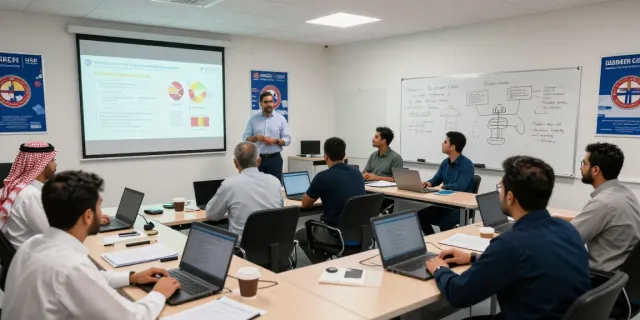
Understanding the Role of Math and English Tutors
In today's fast-paced educational environment, math and english tutors play a crucial role in bridging the knowledge gap for students. They bring specialized expertise, helping to reinforce concepts covered in school while fostering a deeper understanding of the material. With the rise of personalized learning, tutors can tailor their approaches to meet the unique needs of individual learners, ultimately enhancing student performance and confidence.
What Do Math and English Tutors Provide?
Math and English tutors offer a variety of services that extend beyond mere homework help. They provide:
- Subject-specific guidance: Tutors help students grasp complex concepts in math, from basic arithmetic to advanced calculus, and develop critical reading and writing skills in English.
- Customized learning plans: Each student has a unique learning style and pace, and tutors can create personalized plans that cater to these differences.
- Test preparation: Whether it’s preparing for national examinations or standardized tests like the SAT or ACT, tutors equip students with strategies and practice materials to enhance their performance.
- Confidence building: By providing support and encouragement, tutors help alleviate anxiety and boost students’ self-esteem in their academic abilities.
Benefits of Personalized Tutoring Sessions
One of the most significant advantages of hiring a tutor is the level of personalization they can provide. Unlike traditional classroom settings, where one instructor addresses a group, tutors can focus solely on the individual's needs. Some benefits include:
- Flexible scheduling: Tutoring sessions can be arranged around the student's extracurricular commitments, making it easier to integrate learning into a busy lifestyle.
- Immediate feedback: Tutors can provide real-time feedback on students' work, allowing for quicker correction of misunderstandings.
- Engagement through interactivity: Personalized sessions often use interactive methods, which can keep students engaged and motivated.
Common Misconceptions About Tutoring
Despite the growing prevalence of tutoring, several misconceptions persist. Some of these include:
- Tutoring is only for struggling students: Many believe that tutoring is only necessary for students who are behind academically. In reality, it can benefit all learners by providing enrichment and advanced challenges.
- Tutors do all the work: Effective tutors empower students to take responsibility for their learning, encouraging independence rather than dependency.
- All tutors are the same: The effectiveness of tutoring depends heavily on the tutor's qualifications, teaching methods, and the rapport they establish with their students.
Identifying the Right Tutor for Your Needs
Key Qualities to Look For in Math and English Tutors
Finding the right tutor is essential for maximizing the effectiveness of tutoring sessions. Here are some key qualities to consider:
- Qualifications: Look for tutors with relevant degrees or certifications in their subject areas.
- Experience: A tutor with practical teaching experience can offer valuable insights and techniques.
- Adaptability: Effective tutors should be able to adjust their teaching methods based on the student's learning style and pace.
- Communication skills: The ability to explain concepts clearly and understandably is crucial in tutoring.
How to Assess Tutor Credentials and Experience
When evaluating potential tutors, consider these steps:
- Review their educational background: Ensure they have formal education in the subjects they teach.
- Ask for references: Speak to other students or parents about their experiences with the tutor.
- Conduct an interview: Meeting with the tutor can help assess their teaching style and personality fit for your child.
Finding Tutors That Fit Your Learning Style
Each student learns differently, so it's essential to find a tutor whose teaching style complements the student's learning preferences. Here are some tips:
- Determine learning preferences: Identify whether the student learns best through visual aids, auditory explanations, or hands-on practice.
- Trial sessions: Many tutors offer a trial session, which can help gauge compatibility without a long-term commitment.
- Feedback integration: Choose a tutor who actively seeks and applies feedback from the student and parents to improve their approach.
Innovative Alternative Learning Methods
Using Technology in Academic Tutoring
Technology is transforming the landscape of education, and tutoring is no exception. Tutors can now employ various digital tools to enhance learning:
- Interactive software: Programs that offer practice problems and instant feedback can engage students actively.
- Video conferencing: Online tutoring allows for flexibility and access to a broader range of experts.
- Educational apps: Apps that focus on math quizzes or language exercises can supplement tutoring sessions effectively.
Exploring Online Tutoring Platforms
The growth of online tutoring platforms has made it easier for students to find qualified tutors. Some advantages include:
- Global access: Students can connect with tutors from around the world, expanding their options significantly.
- Varied pricing structures: Online platforms often provide a range of pricing options to accommodate different budgets.
- Convenience: With sessions available anywhere there's internet access, students can learn from the comfort of home.
Incorporating Group Sessions for Collaborative Learning
Group tutoring sessions can also be an effective way to learn. Benefits include:
- Peer interaction: Students can learn from each other while engaging in discussions, which can enhance understanding.
- Cost-effectiveness: Group sessions usually cost less than individual tutoring, making them an appealing alternative.
- Varied perspectives: Learning alongside peers can provide diverse insights on the same subject matter.
Maximizing the Benefits of Tutoring
Setting Realistic Learning Goals with Your Tutor
Setting clear, achievable goals is vital in the tutoring process. Work with the tutor to establish:
- Short-term goals: Focus on immediate objectives, such as mastering specific concepts or improving grades in upcoming tests.
- Long-term goals: Encourage aspirations related to overall academic performance or specific educational milestones.
Effective Communication Strategies for Students and Tutors
Open lines of communication between students and tutors can significantly enhance the tutoring experience. Some strategies include:
- Regular feedback: Students should feel comfortable sharing how they feel about the tutoring sessions and suggest alterations as needed.
- Progress tracking: Keeping a record of learning milestones can motivate students and provide tangible evidence of improvement.
Monitoring Progress and Adjusting Methods
Continuous assessment is essential for successful tutoring. In collaboration with the tutor, monitor progress by:
- Setting benchmark tests: Regular assessments can provide insight into how much the student has progressed.
- Adjusting strategies: If a certain approach isn’t working, be open to trying new methods or materials.
The Future of Tutoring: Trends for 2026 and Beyond
Emerging Technologies in Education and Tutoring
The future of tutoring will likely be shaped by technological advancements. Some trends to watch for include:
- Artificial intelligence: AI could personalize learning experiences even further by adapting material and study plans based on performance data.
- Virtual reality: VR can create immersive learning environments, making complex concepts easier to grasp through real-life simulations.
Predictions for the Evolving Role of Tutors
As education continues to change, so will the role of tutors. Future expectations may include:
- Stronger collaborative relationships: Tutors may work more closely with teachers and parents to create a cohesive support system for students.
- Focus on soft skills: Tutors might also incorporate coaching on critical thinking, problem-solving, and emotional intelligence in their sessions.
How to Prepare for Changes in Educational Needs
To prepare for these changes, parents and students should:
- Stay informed: Keep up with educational technology trends and changes in academic standards.
- Encourage adaptability: Cultivate a willingness to embrace new learning tools and techniques.
- Invest in ongoing support: Regularly assess whether tutoring remains aligned with educational goals and make adjustments accordingly.
Frequently Asked Questions
What qualifications should I look for in a tutor?
Look for tutors with relevant educational backgrounds, certifications, and experience in the subjects they teach. Ensuring they have a good rapport with students is equally important.
How can I effectively use online resources alongside tutoring?
Online resources can supplement tutoring by offering practice exercises, educational videos, and discussion forums. Using these resources between sessions can help reinforce learning.
What are the signs that my child needs a tutor?
Signs may include declining grades, lack of confidence in their abilities, or difficulty keeping up with classwork. If a child expresses frustration or disengagement, it might be time to consider tutoring.
How do I choose between a personal tutor and an online service?
Consider your child’s learning style, budget, and availability. Personal tutors provide tailored, in-person support, while online services often offer flexibility and a wider range of options.
When is the best time to start tutoring?
Starting tutoring can be beneficial at any stage, but it is especially helpful when there are signs of struggle or when a student is transitioning to more advanced material.