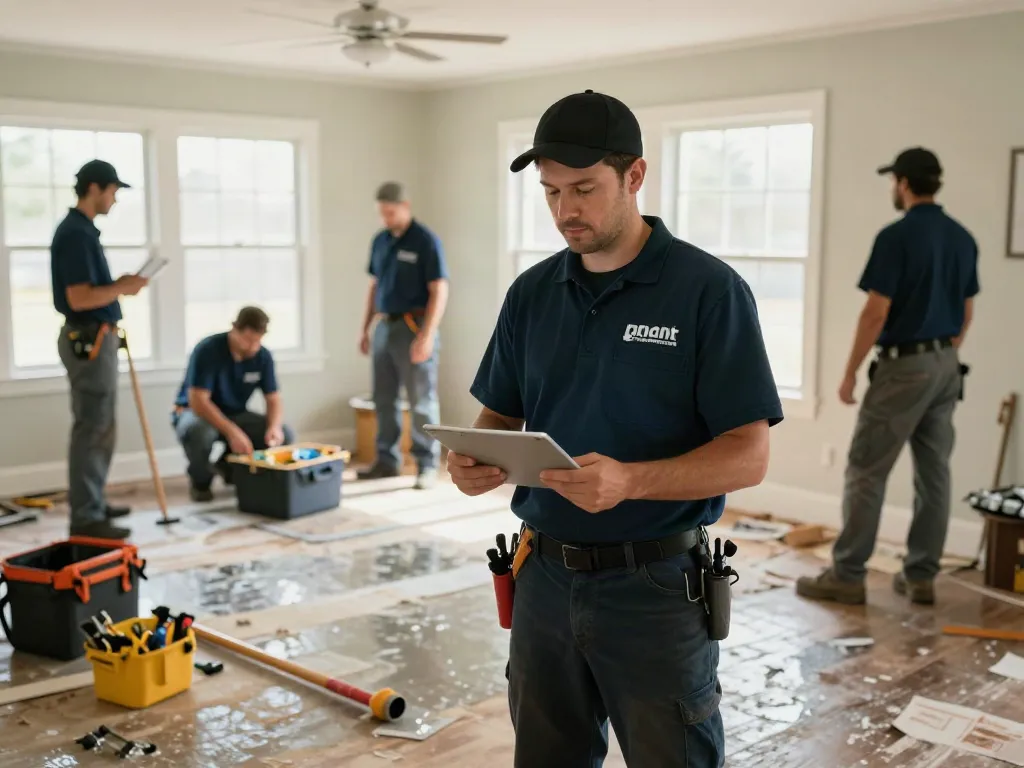
Understanding Emergency Restoration and Rebuild Services
Water damage can occur unexpectedly, turning a regular day into an overwhelming event. With the right emergency restoration and rebuild services, homeowners can swiftly address these issues, minimizing the damage and restoring their properties to a safe condition. It is essential to have access to reliable and rapid assistance from seasoned professionals who understand the urgency of such situations. For residents in Washington, options like emergency restoration and rebuild services are always available, ensuring peace of mind during stressful times.
What Are Emergency Restoration Services?
Emergency restoration services are specialized services designed to address damage caused by water, fire, mold, or other unforeseen disasters. These services are crucial in the immediate aftermath of an incident, as they aim to stabilize the affected areas and prevent further damage. Professionals in this field are typically certified, experienced, and equipped with advanced tools to safely handle hazardous situations, ensuring a thorough restoration process.
Key Benefits of Emergency Restoration
Engaging emergency restoration services offers numerous benefits:
- Rapid Response: Quick action helps mitigate damage, reducing repair costs and helping restore your home sooner.
- Expertise: Trained professionals can assess the situation accurately and develop an effective restoration plan tailored to the damage.
- Comprehensive Services: Many restoration companies offer a full range of services, from initial cleanup to reconstruction.
- Insurance Guidance: These experts can assist with insurance claims, simplifying the process for homeowners.
- Health and Safety: Restoration services ensure that hazardous materials, such as mold and contaminated water, are properly handled and mitigated.
What to Expect from the Process
The emergency restoration process typically follows several key steps:
- Assessment: Professionals evaluate the extent of the damage and formulate a restoration plan.
- Water Removal: Teams use advanced equipment to remove standing water and moisture from affected areas.
- Drying and Dehumidification: It is crucial to use air movers and dehumidifiers to eliminate hidden moisture that can lead to mold growth.
- Cleaning and Sanitization: Areas impacted by water damage are cleaned and sanitized to remove contaminants and prevent health risks.
- Reconstruction: If needed, qualified contractors repair or replace damaged materials, restoring your home to its pre-loss condition.
Choosing the Right Local Provider
Selecting a trustworthy emergency restoration provider is vital for ensuring quality service. Here are essential factors to consider:
Factors to Consider When Hiring
When looking for a local restoration service, ensure you evaluate their experience, response time, and service offerings. Also, consider their customer service reputation as it reflects their commitment to quality work.
Checking Licenses and Insurance
Always confirm that the company is licensed and insured. This guarantees that they meet industry standards and are legally permitted to operate. Insurance coverage is essential to protect you from liability should further accidents occur during the restoration process.
Customer Reviews and Recommendations
Researching customer reviews and asking for recommendations can provide insights into the quality of service you can expect. Look for testimonials that highlight reliability, efficiency, and overall customer satisfaction.
Cost Breakdown and Pricing Guides
Understanding the costs associated with emergency restoration and rebuild services can help homeowners budget effectively. Here’s a breakdown of what you might expect:
Typical Costs for Common Services
The price for restoration services varies widely, but homeowners can generally expect:
- Water Damage Cleanup: $3.50 to $7.00 per square foot
- Mold Remediation: $500 to $6,000 depending on severity
- Fire Damage Restoration: $1,000 to $50,000, depending on the extent of damage
Hidden Costs to Watch Out For
Some costs may not be immediately evident, including:
- Charges for required permits and inspections
- Replacement of materials damaged beyond repair
- Post-restoration occupancy costs if you need to vacate during the process
Insurance Coverage and Out-of-Pocket Expenses
Many homeowners find that their insurance policies cover a significant portion of the restoration costs. However, it’s essential to review your policy details and consult with your provider regarding any deductibles and limits on coverage. Always keep documentation related to the damage and restoration process, as it may be necessary for insurance claims.
Community Trust and Involvement
Building trust in the local community is vital for any service provider. Here’s how restoration companies can engage and enhance their reputation:
Building Relationships in the Local Area
Local businesses should foster relationships by participating in community events and networking with other service providers. This involvement demonstrates commitment to the community and enhances credibility.
Supporting Local Events and Causes
Engaging with local charities and sponsoring community initiatives can position a company as a trustworthy member of the community. Such activities reflect a dedication to local growth and well-being.
Engaging with Customer Feedback
Encouraging and responding to customer feedback fosters transparency and improvement. Positive interactions can solidify trust and enhance brand loyalty among customers.
Seasonal Considerations for Water Damage
Understanding seasonal patterns can help homeowners prepare for potential water damage issues. Here are tips based on seasonal trends:
Winter Storm Preparedness Tips
In winter, ensure that your plumbing is well-insulated to prevent freezing and bursting pipes. Regularly check your roof for accumulated snow and ice, which can cause leaks if not addressed promptly.
Summer Flooding and Mitigation Strategies
Summer can bring heavy rains that lead to flooding. Clean gutters and downspouts regularly to ensure that water is directed away from your foundation. Consider investing in a sump pump to prevent water accumulation.
Year-Round Maintenance Advice
Regular home inspections can catch leaks early and help maintain the integrity of your plumbing systems. Establish a home maintenance checklist that includes assessing water-related vulnerabilities throughout the year.
Frequently Asked Questions
How quickly should I call for emergency services?
It’s vital to call for emergency services as soon as you notice water damage. Quick intervention can prevent further issues, such as mold growth and structural damage.
What do I need to do before professionals arrive?
While waiting for professionals, ensure your own safety by turning off electricity in affected areas and moving valuables to safety if possible. Avoid trying to fix plumbing issues unless you are trained.
Are there warranties on restoration work?
Most reputable restoration companies offer warranties on their work. Always request this information upfront to ensure you know what is covered after the restoration process is complete.