Overview of Lung Cancer Treatment in Abu Dhabi
Lung cancer continues to be a pressing health concern globally, with significant incidence rates in regions like the UAE. As awareness of this complex disease increases, so does the demand for specialized care and innovative treatment options. In Abu Dhabi, healthcare institutions like Cleveland Clinic Abu Dhabi have established comprehensive lung cancer treatment in Abu Dhabi, focusing on early detection, cutting-edge technology, and personalized care to improve patient outcomes.
Understanding Lung Cancer Types and Stages
Lung cancer can be broadly categorized into two primary types: non-small cell lung cancer (NSCLC) and small cell lung cancer (SCLC). NSCLC is the more prevalent form, accounting for nearly 85% of lung cancer cases. Within NSCLC, there are further subdivisions based on the histological characteristics of the tumors, such as adenocarcinoma, squamous cell carcinoma, and large cell carcinoma. In contrast, SCLC, while less common, is known for its aggressive growth and early metastasis, often diagnosed at a later stage.
The staging process is crucial, as it determines the extent of cancer spread and informs treatment decisions. The stages range from I (localized) to IV (advanced), which may involve lymph nodes or distant organs. Understanding these classifications helps healthcare providers develop targeted treatment plans.
Statistics on Lung Cancer Incidence and Recovery Rates
Statistical data highlights the severity of lung cancer in the region. According to the latest reports, lung cancer is the second leading cause of cancer-related deaths in the UAE, with a significant percentage diagnosed at advanced stages. Early-stage lung cancer has a notably higher survival rate, emphasizing the critical need for effective screening and prevention programs.
Recent advancements in treatment methodologies have led to improved recovery rates, particularly with a focus on personalized medicine. Tailoring treatments based on genetic factors and tumor characteristics has shown promise in enhancing patient outcomes.
The Importance of Early Detection and Screening
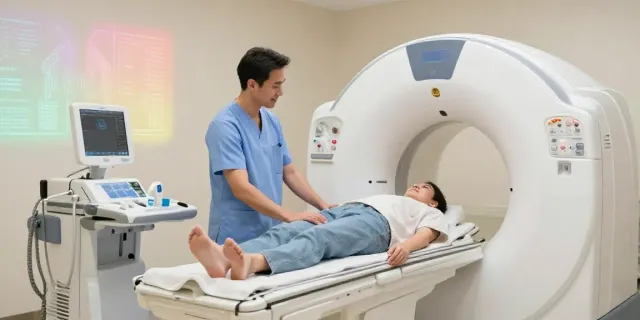
Early detection remains a pivotal aspect of lung cancer management. In high-risk populations, including those with a history of smoking or genetic predisposition, routine screening can catch the disease at a more treatable stage. Low-dose computed tomography (LDCT) has emerged as a front-runner in screening technologies, substantially increasing the chances of early diagnosis.
Multidisciplinary Approach to Patient Care
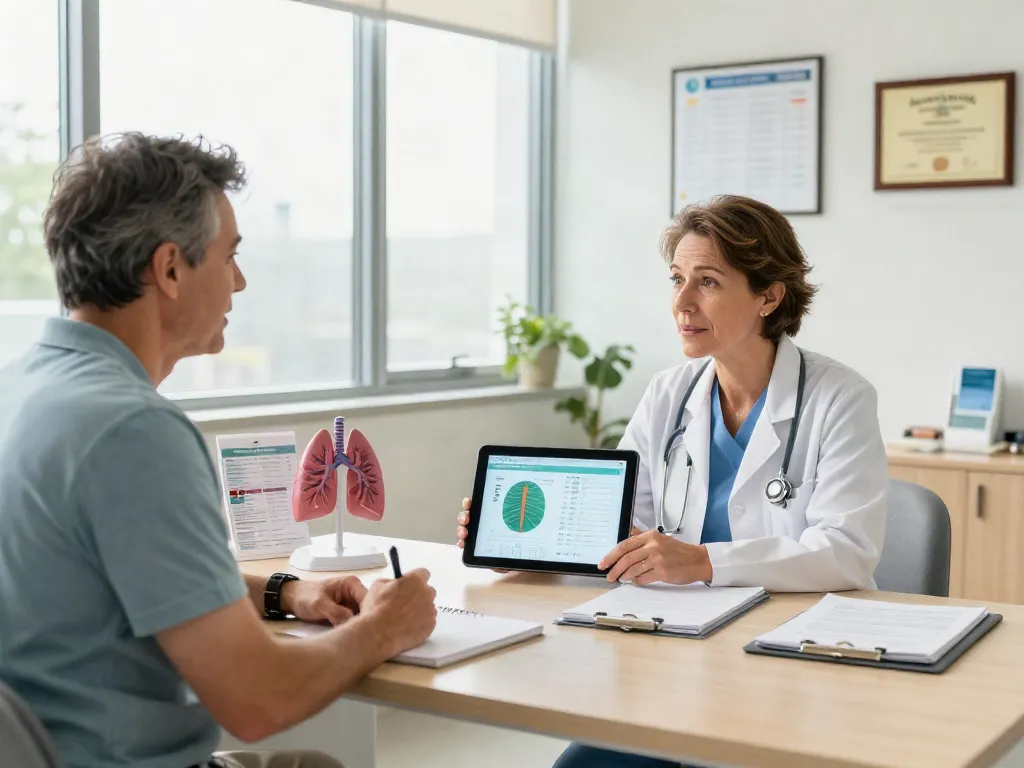
The management of lung cancer requires a collaborative effort from various medical specialists. At Cleveland Clinic Abu Dhabi, a multidisciplinary approach is employed, bringing together oncologists, thoracic surgeons, pathologists, radiologists, and supportive care teams to ensure comprehensive patient management.
Roles of Key Specialists in Treatment Plans
Each team member plays a crucial role in the patient's journey. Surgical oncologists assess the need for surgery and evaluate the efficacy of surgical interventions. Medical oncologists focus on chemotherapy and targeted therapies, while radiation oncologists may recommend radiotherapy based on tumor characteristics. This collaborative decision-making enhances the quality of care provided.
Integration of Innovative Technologies in Diagnosis
Technological advancements have revolutionized the diagnosis and treatment of lung cancer. Innovations such as advanced imaging techniques, including PET scans and high-resolution CT scans, allow for better visualization of tumors and their staging. Additionally, minimally invasive procedures such as video-assisted thoracoscopic surgery (VATS) enable precise interventions with reduced recovery times.
Personalized Care Plans Tailored to Individual Needs
Recognizing that no two patients are the same, Cleveland Clinic Abu Dhabi emphasizes personalized treatment plans. Genetic profiling of tumors can identify specific mutations that may be targeted with tailored therapies, ensuring the most effective treatment strategy for each individual. This aspect of care not only enhances efficacy but also contributes to improved patient satisfaction and empowerment.
Latest Advances in Lung Cancer Treatments
Minimally Invasive Surgical Techniques
Recent developments in surgical techniques have led to a shift towards minimally invasive procedures for lung cancer treatment. Techniques such as robotic-assisted surgery and thoracoscopic approaches significantly reduce trauma associated with traditional open surgeries, resulting in quicker recovery times and less postoperative pain.
These minimally invasive techniques can be employed for both diagnostic purposes and therapeutic interventions, allowing surgeons to remove tumors with precision while conserving lung function. The benefits of such advances are particularly advantageous for older or high-risk patients.
Targeted Therapies and Immunotherapy Options
The landscape of lung cancer treatment has evolved with the introduction of targeted therapies and immunotherapies. Drugs that target specific genetic mutations, such as EGFR inhibitors or ALK inhibitors, have shown remarkable efficacy, particularly in NSCLC patients. Immunotherapy has also gained traction, harnessing the body’s immune system to combat cancer cells effectively.
Clinical trials are continually exploring new options in this area, providing hope for more effective and less toxic treatment alternatives. Patients may have access to these clinical trials, enhancing their treatment possibilities and contributing to advancing lung cancer research.
Potential Clinical Trials Available in Abu Dhabi
Abu Dhabi plays a pivotal role in lung cancer research and treatment advancements through various clinical trials. Many institutions, including Cleveland Clinic Abu Dhabi, actively participate in cutting-edge research, offering patients access to novel therapies and treatment regimens not yet widely available.
Patients interested in participating in clinical trials should consult their healthcare team, who can provide insights on eligibility criteria and potential benefits.
Support and Resources for Lung Cancer Patients
Patient Support Services and Counseling Offered
Beyond medical treatment, addressing the emotional and psychological aspects of a lung cancer diagnosis is vital. Cleveland Clinic Abu Dhabi provides comprehensive support services, including counseling, nutritional guidance, and access to palliative care. Support groups and educational seminars also empower patients and families coping with the challenges of a cancer diagnosis.
Insurance Partners and Financial Assistance
Navigating healthcare costs can be daunting for patients. Cleveland Clinic Abu Dhabi collaborates with numerous insurance providers to facilitate coverage for lung cancer treatments. Understanding the specifics of insurance plans can alleviate some financial burdens, allowing patients to focus on their recovery.
Community Programs and Awareness Efforts
The clinic also engages in community outreach initiatives to raise awareness about lung cancer prevention and early detection. Educational campaigns aim to inform individuals about the risk factors of lung cancer and the importance of screening, particularly among high-risk populations.
Future Trends in Lung Cancer Treatment
Emerging Research and Innovations by 2026
As we look towards the future, continued research and innovation in lung cancer treatment are anticipated. Advances in precision medicine, where therapy is tailored to the genetic profile of tumors, are expected to play a larger role. Additionally, the development of liquid biopsies may further enhance early detection and monitoring of lung cancer.
Shifts in Treatment Protocols and Patient Support
Healthcare systems are gradually moving towards more integrated care models that combine medical treatment with wellness initiatives. This holistic approach ensures patients receive comprehensive care that addresses both their physical and emotional needs. Initiatives that promote lifestyle changes, such as smoking cessation programs and nutritional counseling, are expected to become more mainstream in lung cancer management.
Anticipated Changes in Local Healthcare Policies
In the coming years, healthcare policies in the UAE may evolve to prioritize lung cancer awareness and screening initiatives, reflecting the pressing need for early detection. Legislative changes aimed at reducing smoking rates and promoting public health could further impact lung cancer incidence and outcomes in the region.
What are the early signs of lung cancer?
Early signs of lung cancer can be subtle and often overlooked. Common symptoms include a persistent cough, unexplained weight loss, fatigue, and shortness of breath. It's important for individuals, particularly those in high-risk categories, to seek medical advice if experiencing these symptoms.
How does insurance cover lung cancer treatment?
Insurance coverage for lung cancer treatment varies significantly between plans. Patients are encouraged to review their coverage details and consult with their healthcare provider to understand what treatments are covered and identify potential out-of-pocket expenses.
What support options are available for lung cancer patients?
Support services for lung cancer patients typically include counseling, nutrition support, and symptom management. Many healthcare institutions also offer support groups where patients can share experiences and receive emotional support from peers.
What advancements are expected in lung cancer therapy?
Advancements in lung cancer therapy are likely to focus on personalized medicine and immunotherapy, with ongoing research into novel drug therapies and combination treatments that enhance efficacy while reducing side effects.
How can lifestyle changes impact lung cancer outcomes?
Lifestyle changes, particularly smoking cessation, can significantly improve lung cancer outcomes. Maintaining a healthy diet, engaging in regular physical activity, and managing stress are also vital for overall wellness and recovery.