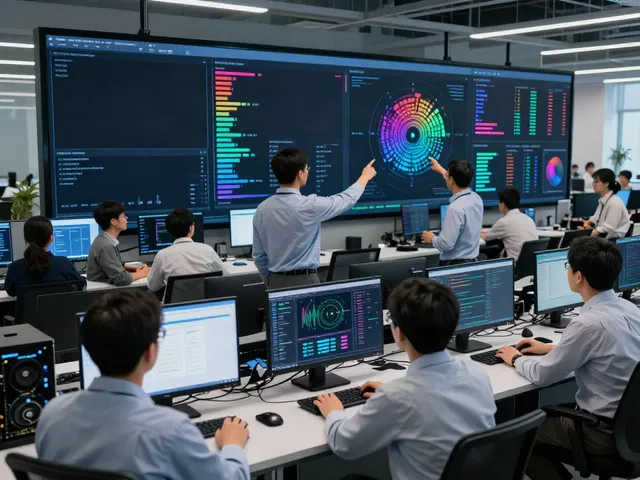
Understanding AI-Generated Image Detection
The rapid advancements in artificial intelligence (AI) have revolutionized various fields, including image production. Today, AI techniques enable machines to generate hyper-realistic images that can closely mimic human creations. However, with this surge in AI-generated imagery comes the challenge of identification and detection. As such, understanding AI-Generated Image Detection becomes crucial for industries reliant on authenticity and integrity in visual content.
What is AI-Generated Image Detection?
AI-generated image detection refers to the process of identifying images that have been created or significantly altered by artificial intelligence algorithms. This technology leverages various strategies, from machine learning to pattern recognition, to differentiate between genuine photographs and those that are AI-generated. It plays a crucial role in maintaining trust and verifying content authenticity, especially in an era where manipulation is rampant.
The Role of AI in Image Production
AI has become an integral part of the creative process. Tools like DALL-E, Midjourney, and Stable Diffusion enable users to create visually stunning images from textual descriptions. These tools analyze vast datasets to produce images that are often indistinguishable from those captured by human photographers. As AI continues to evolve, it raises concerns about the potential for misinformation, plagiarism, and copyright violations, making detection mechanisms more essential than ever.
Importance of Detecting Synthetic Media
Detecting AI-generated images is vital for several reasons. First, it helps to combat misinformation by ensuring that users can differentiate between real and fabricated images. Second, it protects the integrity of artistic and intellectual property. Lastly, in fields like journalism and law enforcement, the ability to authenticate images can have significant implications for truthfulness and justice. As society becomes increasingly reliant on visual media, the importance of robust detection systems cannot be overstated.
Challenges in Detecting AI-Generated Images
Despite advancements in detection technologies, several challenges hinder the effectiveness of identifying AI-generated content. From misconceptions to technical limitations, understanding these obstacles is essential for developing better detection strategies.
Common Misconceptions about AI-Generated Content
One of the most prevalent misconceptions is that all AI-generated images are inherently obvious or easy to detect. While some may exhibit tell-tale signs, like unnatural proportions or surreal elements, many AI-generated images now feature high fidelity and realism that can trick even seasoned professionals. Moreover, the belief that AI-generated content is limited to specific styles or applications can lead to complacency in detection efforts.
Technical Limitations and Obstacles
Technical limitations play a significant role in detection challenges. Many AI-generated images are produced using generative adversarial networks (GANs), which can improve over time, making them increasingly difficult to identify. Furthermore, existing detection models may lack training data or may not be finely tuned to capture nuances in newer models, resulting in false negatives and positives that undermine the trust in detection technologies.
Case Studies of Detection Failures
Several high-profile cases have highlighted the consequences of detection failures. For instance, an AI-generated image of the Pope wearing a stylish puffer jacket circulated widely on social media, leading many to believe it was a real photograph. This incident underscored the potential risks associated with unverified visual content. Such occurrences demonstrate the urgent need for effective detection mechanisms to inform and protect the public.
Best Practices for AI-Generated Image Detection
To combat the challenges discussed and enhance detection efficacy, employing best practices in AI-generated image detection is essential. These practices encompass the utilization of advanced tools, strategic development of detection methodologies, and fostering collaboration across sectors.
Utilizing Advanced Software Tools
The emergence of sophisticated software tools has revolutionized the detection landscape. Programs and platforms specifically designed to analyze AI-generated content can significantly improve accuracy. These tools often employ deep learning algorithms that continuously learn and adapt, increasing their effectiveness as new AI models are developed. Leveraging these technologies, organizations can better equip themselves to identify synthetic media reliably.
Developing Effective Detection Strategies
Creating comprehensive detection strategies should involve a multi-faceted approach. An organization might combine manual reviews with automated systems to ensure thorough analysis. Training teams to recognize common signs of AI-generated content is equally important, as human intuition can sometimes succeed where algorithms fail. Additionally, keeping abreast of emerging AI technologies can help in preemptively addressing potential detection challenges.
Collaboration Between Different Stakeholders
Collaboration is key to advancing detection capabilities. Stakeholders, including tech companies, content creators, and regulatory bodies, must work together to share insights and resources. Initiatives like shared databases of known AI-generated images can enhance detection capabilities, while public awareness campaigns can educate audiences about the importance of verifying visual content.
The Future of AI-Generated Image Detection
Looking ahead, the field of AI-generated image detection is poised for growth and innovation. As technology continues to evolve, so too will the strategies and tools designed to combat the challenges posed by synthetic media.
Emerging Trends in AI Detection Technologies
Emerging trends indicate that detection technologies will increasingly incorporate artificial intelligence themselves. Tools that can self-learn from datasets will likely become standard, allowing for rapid adaptations to new AI generation methods. Moreover, the integration of blockchain technology could provide a way to track image authenticity over time, adding an additional level of verification.
Potential Ethical Implications
As detection technologies become more sophisticated, ethical considerations will also come to the forefront. Issues surrounding privacy, consent, and the implications of misidentifying content must be continually addressed. Ethical guidelines will be essential in ensuring that detection practices respect individual rights while promoting transparency and accountability.
Predictions for 2026 and Beyond
By 2026, it is anticipated that the landscape of AI-generated image detection will undergo significant transformation. Enhanced algorithms and machine learning capabilities will likely lead to more accurate detection tools that can swiftly adapt to different styles of AI-generated content. As public awareness and regulatory frameworks grow, platforms will be compelled to implement stricter verification processes, ensuring that consumers are presented with authentic and verified visual media.
FAQs about AI-Generated Image Detection
What are the most effective tools for detecting AI-generated images?
Some of the most effective tools include Sightengine, ZeroGPT, and WasItAI, among others. Each offers unique functionalities that analyze images for signs of AI generation.
How reliable are current AI image detection methods?
While current methods have improved significantly, reliability can vary. Many tools demonstrate high accuracy, but the rapid evolution of AI image generation means ongoing adjustments are necessary for maintaining effectiveness.
What industries benefit most from AI-generated image detection?
Industries such as journalism, advertising, law enforcement, and academia benefit greatly from AI-generated image detection. Maintaining the integrity of visual content is paramount in these sectors where authenticity is critical.
Can AI detection tools be bypassed by sophisticated images?
Yes, as AI-generated images become increasingly sophisticated, it is possible for detection tools to encounter challenges. Continuous development and training of detection algorithms are essential to stay ahead of new techniques.
What training is needed for professionals in this field?
Professionals in the field should pursue training in machine learning, forensic analysis, and digital media literacy. Understanding the underlying algorithms of AI generation can also enhance a professional's ability to detect synthetic content effectively.