Understanding Facial Analysis in 2026
Facial analysis has rapidly evolved over the past few years, combining technological advancements with aesthetic science. In 2026, the dialogue around facial analysis and its applications continues to grow, particularly with services like ClinicEvo and QOVES emerging as leaders in this niche. Both platforms offer unique capabilities in assessing facial features and suggesting aesthetic improvements, but they cater to distinct needs and preferences. When exploring options, ClinicEvo vs QOVES provides comprehensive insights into how these services can help users achieve their desired looks.
What is Facial Analysis?
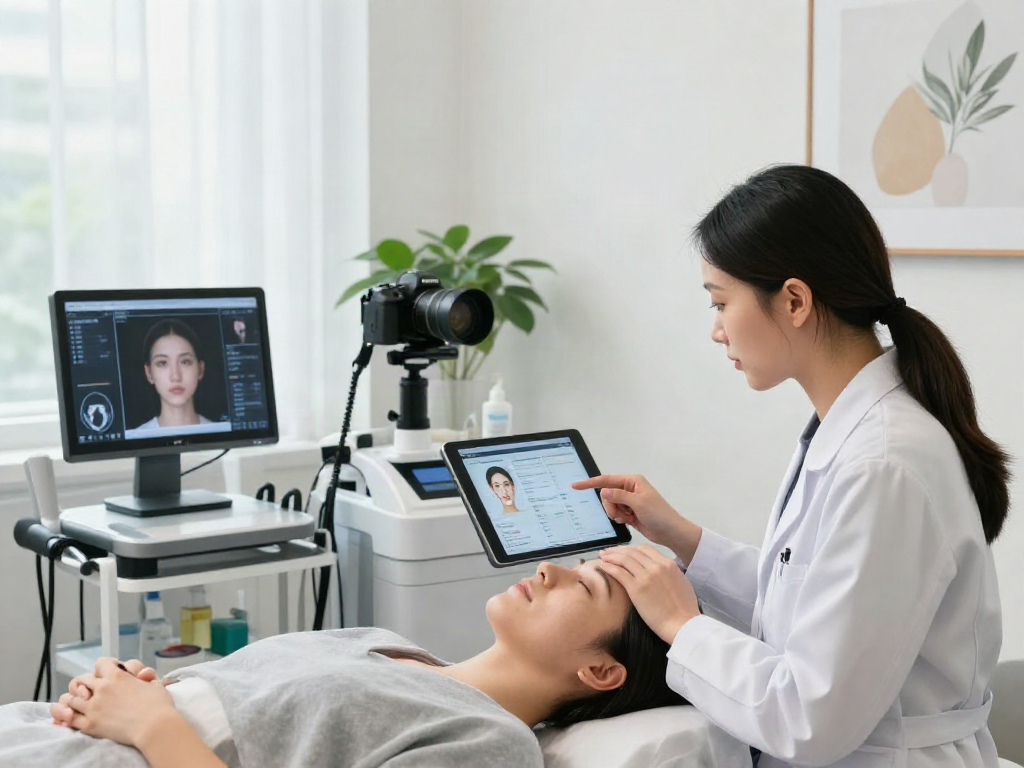
Facial analysis is a systematic approach to evaluating facial features based on various metrics, including symmetry, proportion, and features' aesthetic qualities. It typically employs advanced technologies such as artificial intelligence, machine learning, and computer vision to deliver precise assessments. These analyses can result in tailored recommendations for cosmetic procedures, skincare routines, and overall aesthetic improvements. As the demand for personalized beauty solutions grows, understanding the intricacies of facial analysis becomes essential.
Technology Behind ClinicEvo vs QOVES
The core technologies powering ClinicEvo and QOVES differ significantly, influencing the user experience and outcomes. ClinicEvo utilizes machine learning algorithms and computer vision to analyze facial features, translating them into actionable insights. The process is user-friendly, with reports generated based on user-uploaded images that detail their unique facial structure.
On the other hand, QOVES leverages a similar technological foundation but focuses more on providing a comprehensive report that includes not only aesthetic evaluations but also psychological aspects related to appearance. This holistic approach may appeal to consumers seeking a deeper understanding of how their facial features impact their self-image.
Benefits of Aesthetic Assessments
- Personalization: Both platforms offer highly customized reports that cater to individual facial structures.
- Objective Analysis: Users receive data-driven insights rather than subjective opinions, resulting in more informed decisions.
- Access to Expert Recommendations: Users can leverage the knowledge of professionals, enhancing their aesthetic choices.
- Empowerment: With a clear understanding of their features, users can take control of their aesthetic goals.
Comparing ClinicEvo and QOVES
Key Features of ClinicEvo
ClinicEvo distinguishes itself with features tailored to user-centric experiences. The platform emphasizes facilitating education on facial aesthetics through detailed reports that highlight specific areas for improvement. Moreover, it aims to empower users by providing the tools necessary to curate their cosmetic journey actively.
Some of the notable features include:
- AI-driven analysis providing precise measurements of facial features.
- A user-friendly interface that enables easy photo uploads and report generation.
- Customizable reports that can be revisited as users attempt various aesthetic options.
Unique Offerings of QOVES
QOVES brings a unique angle to facial analysis with its focus on integrating psychological assessments alongside aesthetic evaluations. This comprehensive method offers users insights into how their appearance may affect their mental well-being. Additionally, QOVES is known for its strong community engagement, often sharing testimonials and before-and-after photos that highlight user transformations.
Key features of QOVES include:
- A detailed report that encompasses facial symmetry, feature prominence, and psychological impacts of appearance.
- A vibrant online community for support and shared experiences among users.
- Opportunities for ongoing evaluations to allow users to track their aesthetic journeys over time.
Pricing Models and Accessibility
When it comes to pricing, both ClinicEvo and QOVES offer different models that address various consumer needs. ClinicEvo typically employs a subscription-based model, allowing users to access continuous evaluations and updates on their aesthetic status. This approach can be particularly beneficial for individuals actively engaged in their aesthetic improvement journey.
Conversely, QOVES usually operates on a pay-per-report system, which might attract users seeking a one-time analysis without ongoing commitments. This model can be appealing to those who want an immediate evaluation without engaging in long-term plans.
Accessibility varies as well, with both platforms aiming to cater to a global audience. While ClinicEvo emphasizes its adaptability to diverse facial features, QOVES often focuses on promoting its unique analysis for those considering surgical options.
User Experiences and Testimonials
Real Stories from ClinicEvo Users
Users of ClinicEvo often mention how empowering the experience of receiving a detailed facial analysis can be. Many feel more in control of their aesthetic choices, leading to improved confidence. One user shared, “After using ClinicEvo, I understood my facial proportions better and felt more equipped to discuss my goals with my practitioner.” This sentiment resonates with many, highlighting the platform's role in fostering informed discussions.
Feedback from QOVES Customers
Feedback for QOVES users typically revolves around the depth of the analysis report and its psychological insights. A frequent comment notes, “Not only did I learn about which features to enhance, but I also gained valuable insights into how these changes could impact my self-esteem and overall outlook.” Such reflections indicate the significant emotional engagement QOVES encourages through its comprehensive approach.
Common Misconceptions Addressed
There are several misconceptions surrounding facial analysis that are worth addressing. A common myth is that these services are solely for cosmetic surgery candidates; however, both ClinicEvo and QOVES cater to anyone interested in understanding their features, regardless of their intent to pursue surgical enhancements.
Another misconception is that these analyses cannot be trusted due to the lack of personalization. In reality, both platforms leverage cutting-edge technology to ensure that each user receives a tailored experience based on their unique facial characteristics, leading to reliable and informative outcomes.
Best Practices for Using Facial Analysis Services
Preparing for Your Consultation
To maximize the effectiveness of facial analysis services, users should prepare adequately before their consultations. This includes taking clear, well-lit photographs that accurately represent their features. Additionally, users should come equipped with questions or concerns they may have, ensuring a productive discussion with any practitioners or service representatives involved.
Interpreting Your Analysis Report
Understanding the analysis report can be daunting, but breaking it down into sections can help. Users should focus on key metrics highlighted in the report, such as facial symmetry and proportion. Recognizing these aspects can empower users to make informed decisions going forward.
It is also important to communicate with practitioners or use the customer service avenues of both platforms to clarify any uncertainties regarding the report's findings.
Steps to Improve Aesthetic Outcomes
Once users have their analysis, they can take proactive steps towards enhancing their aesthetic outcomes. This might include:
- Consulting with aesthetic professionals to discuss the findings and gain expert advice on potential procedures.
- Implementing skincare routines based on the recommendations provided in the analysis report.
- Engaging with communities on social media platforms to gain insights and support from others on similar journeys.
The Future of Facial Aesthetics and Analysis
Trends Shaping the Industry in 2026
The facial aesthetics industry is poised for significant changes in 2026, primarily driven by advancements in tech. Increased integration of AI will likely lead to even more precise analyses, allowing users to receive tailored suggestions based on vast databases of facial studies.
Moreover, as social media continues to influence perceptions of beauty, platforms like ClinicEvo and QOVES will need to adapt to provide services that align with evolving beauty standards.
Emerging Technologies in Facial Analysis
Innovations in technology, particularly in AI and AR (augmented reality), are creating fertile ground for the evolution of facial analysis. Expect to see more interactive platforms where users can simulate potential changes in real-time before committing to any procedures. This technology will likely empower users by giving them visual feedback on their potential aesthetic transformations.
Expert Insights on Aesthetic Futures
Industry experts predict that as facial analysis becomes more accessible and reliable, there will be increasing interest from various demographics, not just traditional beauty seekers. This democratization of aesthetic knowledge will likely lead to larger discussions about social perceptions of beauty and the psychological impacts of appearance.
What are the main differences between ClinicEvo and QOVES?
The primary differences between ClinicEvo and QOVES lie in their approaches and offerings. ClinicEvo focuses on providing user-friendly, data-driven insights aimed at empowering users, while QOVES emphasizes a holistic view that intertwines aesthetic evaluations with psychological factors.
Can facial analysis affect aesthetic choices?
Yes, facial analysis can significantly influence aesthetic choices by providing users with clear data about their features. This can help individuals identify areas of improvement, leading to more informed decisions regarding cosmetic procedures and skincare.
Are ClinicEvo and QOVES suitable for everyone?
Both ClinicEvo and QOVES are designed to cater to a wide audience interested in facial aesthetics. However, individuals should consider their specific needs and expectations when choosing between the two platforms. While QOVES may be more suitable for those interested in the psychological aspects of aesthetics, ClinicEvo may appeal more to users looking for straightforward, actionable insights.
What technologies are used in facial analysis?
Facial analysis predominantly employs technologies such as AI, machine learning, and computer vision to deliver assessments. These technologies allow for the measurement of various facial features, enabling platforms to generate personalized reports.
How can I prepare for a facial consultation?
Preparing for a facial consultation involves ensuring you have quality images, formulating questions you want answered, and developing a clear understanding of your aesthetic goals to discuss with the analyst effectively.